The Joint Conference
on Digital Libraries,
restarted for the open-knowledge era.
Twenty-two years after the first JCDL convened in Tucson, the community reconvenes — this time entirely online. Five days, six stages, forty-two countries, and one question: what does the library owe the next century?

A serious field reunion, wearing a neon jacket.
JCDL is the major international forum for digital libraries research. Since 2004 it has brought together computer scientists, librarians, archivists, policy makers, and humanists around the infrastructure that carries human knowledge forward.
The 2026 digital edition keeps the rigor and adds the reach that physical venues cannot: simultaneous tracks across time zones, persistent community spaces, and a paper trail that lives beyond the keynote.
Three lenses that have organized every JCDL since the Tucson edition — and still do.
The 2004 theme, now the standing commitment of the digital edition.
Tracks that take the field seriously.
Infrastructure & Systems
Repositories, federation, long-term architecture, preservation pipelines, search and retrieval at planetary scale.
Metadata & Semantics
Ontologies, FAIR principles, linked data, schema evolution, and automated enrichment with modern ML.
Culture & Preservation
Indigenous knowledge, oral histories, born-digital heritage, format migration, and ethics of access.
Users, Policy & Society
Privacy, intellectual property, open science, intelligence informatics, and digital equity.
E-Learning & Humanities
Scholarly editions, reading environments, educational collections, and computational humanities.
AI for Libraries
Retrieval-augmented catalogs, automated cataloging, conversational access, and model provenance.
Reading ahead of the conference.
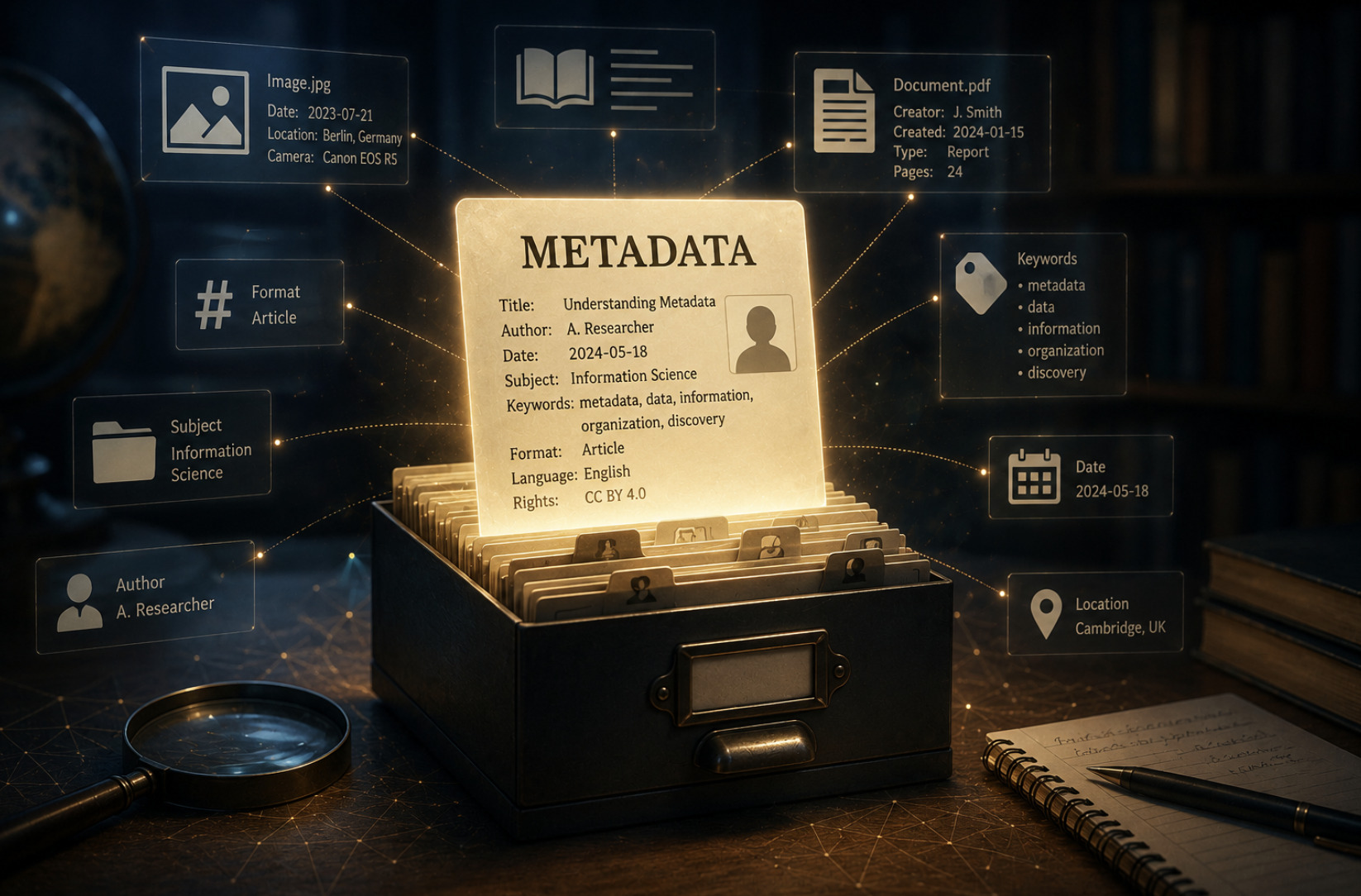
Metadata in Digital Libraries and Why It Matters
Metadata is data about data — the descriptive information that tells you what something is, who made it, when, and what it's about, so that it can be found, or…

Open Access Research and Why Free Academic Knowledge Matters
Open access means making research — especially scholarly articles and academic knowledge — freely available online for anyone to read, without paywalls or subs…
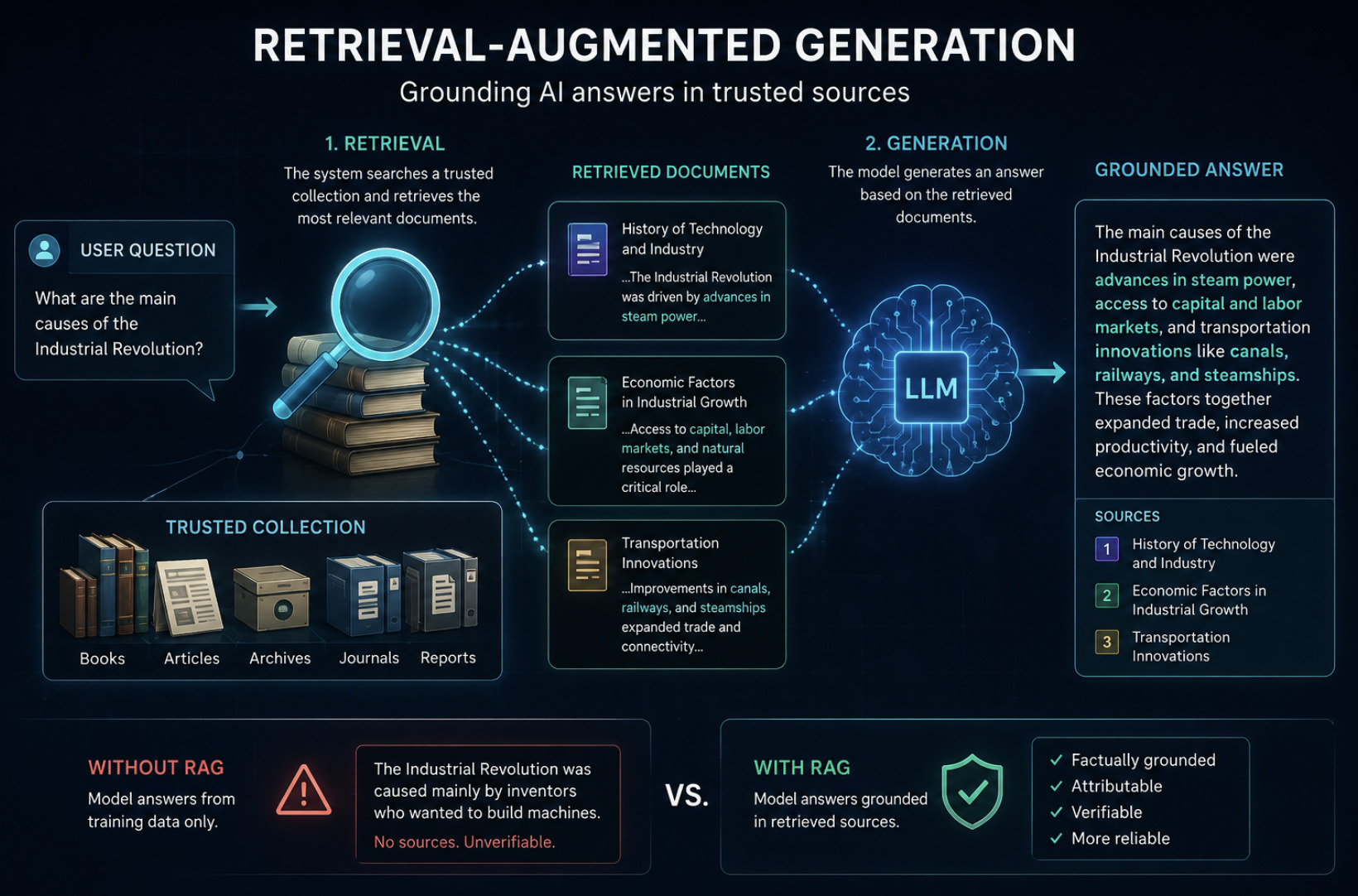
Retrieval-Augmented Generation and What It Means for Libraries
The single most discussed weakness of large language models is that they invent things — stating falsehoods with the same confidence as facts, fabricating cita…
Categories across the field.
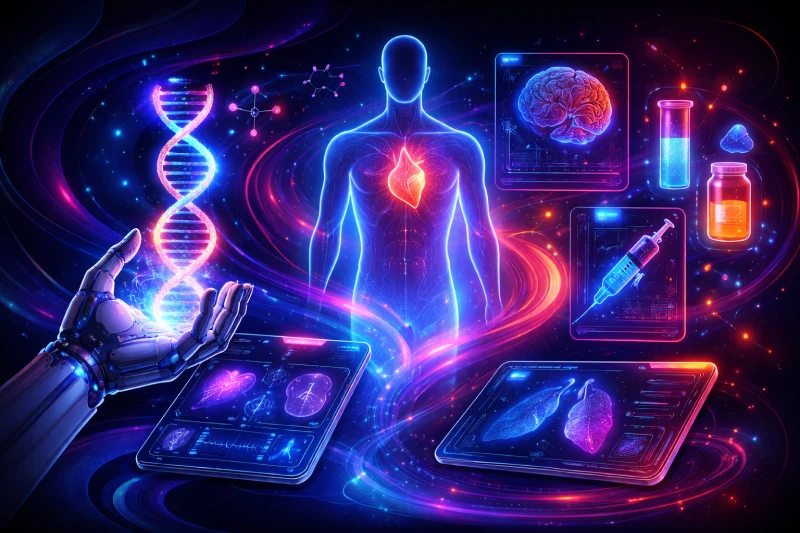
Fresh from the editorial desk.

Digital Preservation and the Long Fight Against Bit Rot
There is a comforting assumption buried in how we treat digital information: that once something is saved, it is safe. A file copied to a drive, a document upl…
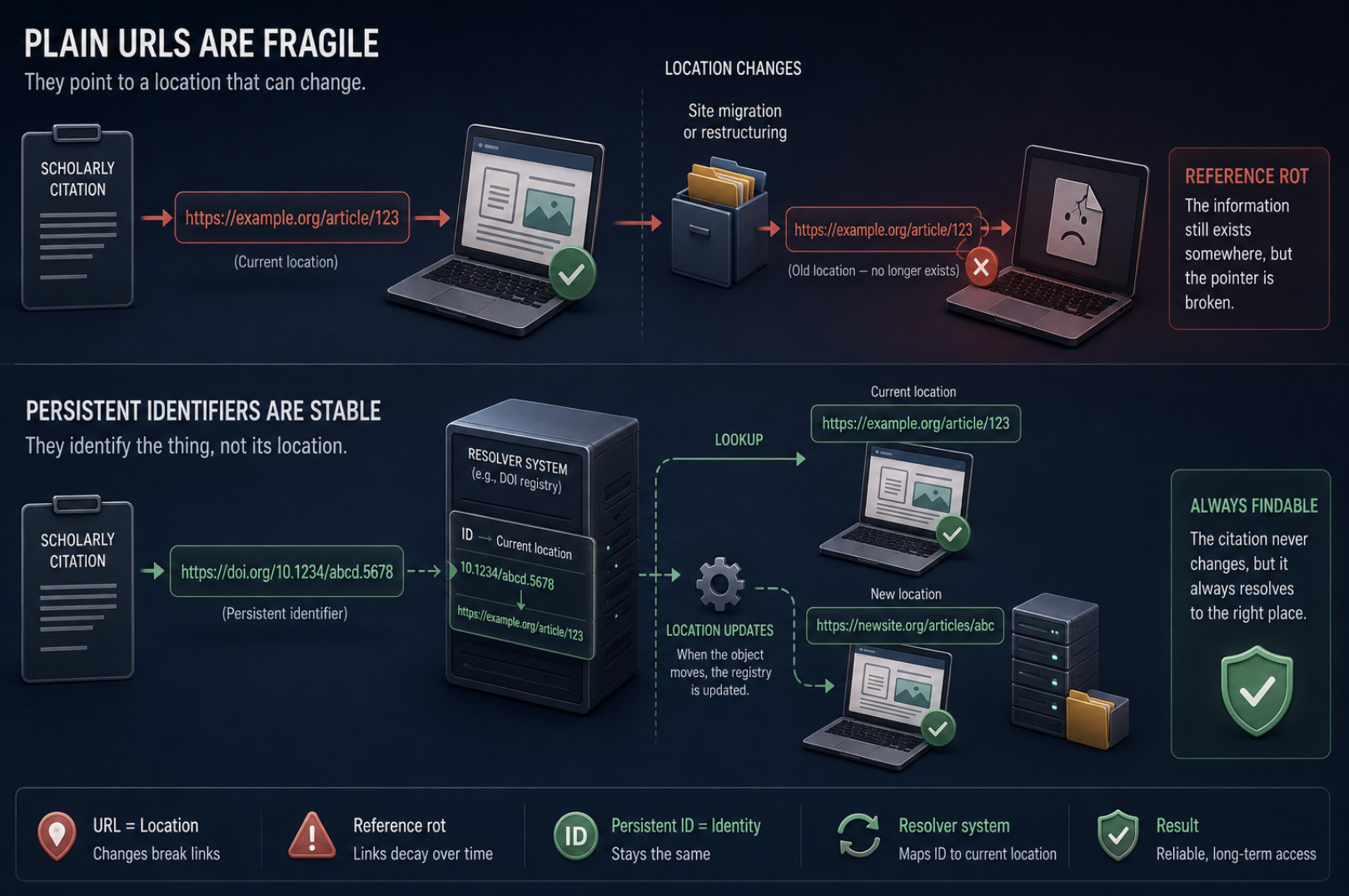
The Persistent Identifiers Holding Digital Scholarship Together
The modern scholarly record has a problem it rarely advertises: the web it is built on will not stay still. Pages move, servers are decommissioned, journals ch…

How Live Dealer Casino Technology Works
Live dealer games sit at a fascinating intersection between a real casino and a digital one. A human dealer at a real table is streamed live to players' screen…
Meet the world's leading digital-library thinkers.
3 confirmed contributors. More to come every week through May 2026.
Kyoto University — Academic Center for Computing and Media Studies · Japan
Computational Biology & AI-driven Medicine; Lisbon Institute for Advanced Systems

University of Virginia — Scholars' Lab · United States
Four awards, carried forward from Tucson.
The JCDL best-paper program, originally funded in 2004 by generous donors, returns for the digital edition. Submissions open through the standard program committee.
For the paper that best advances the vision of the Memex — integrative, bold, foundational.
Awarded to the strongest first-authored contribution by a graduate or doctoral student.
For outstanding work illustrating cross-regional collaboration and cultural reach.
For the poster that communicates a complex research idea with maximum clarity.
Five days. Six stages. One commitment.
Save your seat for the digital reunion of the JCDL community. Student and early-career rates available through May.