
This article explores the technological and psychological frameworks underpinning contemporary iGaming platforms, with particular focus on player personification systems such as those exemplified by Involute Games, and gamification architectures like Soft2Bet’s MEGA. The emerging case of SpinBoss casino illustrates how these systems are being integrated into next-generation platforms targeting global markets.
Introduction
Over the past decade, online gambling has undergone a structural transformation that mirrors broader changes in digital entertainment. What began as a relatively straightforward replication of land-based casino mechanics has developed into a dynamic, data-driven environment in which user experience is continuously reshaped. The modern platform does not simply host games; it actively observes, interprets, and responds to player behavior in real time.
This shift has introduced a new paradigm in which engagement is engineered rather than incidental. Borrowing concepts from social media, mobile gaming, and behavioral economics, online casinos increasingly function as adaptive systems designed to sustain attention and encourage repeated interaction. The result is an ecosystem where the boundary between gameplay and platform design becomes increasingly blurred.
Player Personification and Behavioral Modeling
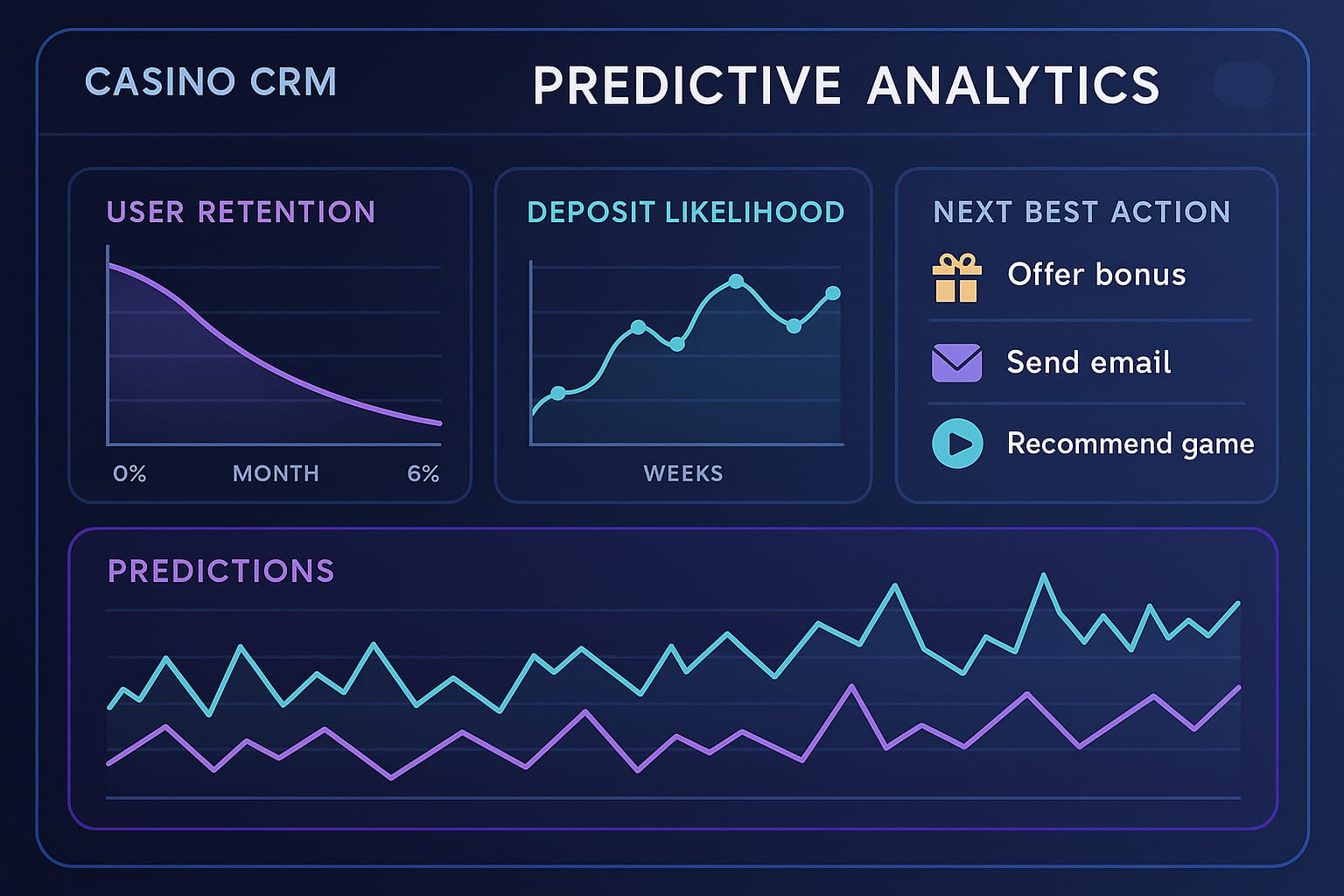
A defining feature of contemporary platforms is the emergence of player personification systems. These systems aim to construct detailed behavioral profiles that evolve alongside the player’s activity. In this respect, they resemble analytical frameworks used in other domains, where patterns of behavior are interpreted to predict future actions.
Involute Games represents a notable example of this approach. Its platform architecture is built around the continuous collection and interpretation of player data, enabling the system to identify patterns in decision-making, risk tolerance, and engagement rhythms. Over time, each player is effectively translated into a dynamic model that informs how the platform responds.
Rather than offering a uniform experience, the system adapts its interface, pacing, and incentives. A player who demonstrates cautious behavior may encounter different prompts and reward structures than one who engages in rapid, high-risk wagering. These adjustments occur seamlessly, often without explicit awareness on the part of the user.
What distinguishes this approach is not merely the presence of data, but the immediacy with which it is applied. The platform becomes reactive, capable of adjusting its environment in response to subtle behavioral signals. In doing so, it transforms gambling into a personalized interaction rather than a static activity.

Gamification and the Structuring of Engagement
While profiling systems determine how players are understood, gamification defines how their experience is structured. The incorporation of game-like elements into non-game contexts has become a central strategy in digital engagement, and online gambling has adopted this logic extensively.
Soft2Bet’s MEGA platform illustrates how gamification can be embedded at the core of the user experience. Instead of presenting isolated betting opportunities, the system frames activity within a broader progression narrative. Players are not only wagering; they are advancing through levels, completing missions, and accumulating symbolic achievements.
Gamification transforms traditional casino play into an interactive journey driven by missions, rewards, and progression,” — Martin Collins, Soft2Bet’s MEGA platform
This transformation alters the motivational landscape. Outcomes are no longer evaluated solely in financial terms, as progression itself becomes a source of satisfaction. Even when monetary results are negative, the sense of advancement can sustain engagement.
The success of such systems is reflected in measurable outcomes, including increased session duration and higher return rates. However, the deeper significance lies in how they reshape perception. Gambling becomes embedded within a narrative framework that extends beyond individual sessions, encouraging continuity over time.
Persistence, Memory, and Return Behavior
A crucial element in sustaining engagement is the introduction of persistence. Modern platforms increasingly incorporate features that retain a record of player progress, allowing each session to build upon the last. This continuity creates a sense of investment that extends beyond immediate outcomes.
When players return to a platform, they do not begin anew. Instead, they re-enter an evolving environment shaped by their previous actions. Progression systems, accumulated rewards, and personalized elements contribute to a sense of ownership that makes disengagement less likely.
From a psychological perspective, this taps into mechanisms such as loss aversion and the desire for completion. Abandoning the platform entails relinquishing accumulated progress, which can feel more significant than the loss of monetary value. As a result, return behavior is reinforced not through obligation, but through a perceived need to continue an unfinished trajectory.
Reward Timing and the Management of Loss
One of the more intricate aspects of platform design lies in how rewards are distributed. Rather than being random or fixed, incentives are often calibrated in relation to player behavior. This allows platforms to respond strategically to moments of disengagement, particularly following losses.
When a player experiences a negative outcome, the system may introduce a compensatory element, such as a bonus or an additional opportunity to play. These interventions are timed to coincide with potential drop-off points, effectively stabilizing engagement at moments of vulnerability.
The significance of this approach lies in its subtlety. Rewards do not simply provide value; they reshape perception. A loss followed by a reward can be interpreted differently than a loss in isolation, creating a more balanced emotional experience. Over time, this contributes to a cycle in which negative outcomes do not necessarily lead to disengagement.
Social and Identity-Based Engagement
In addition to personalization and progression, social dynamics play an increasingly important role. Modern platforms incorporate elements that allow players to situate themselves within a broader community, whether through competition, shared challenges, or visible status markers.
These features introduce a layer of identity that extends beyond individual gameplay. Players may become invested not only in outcomes, but in how they are perceived within the platform. This shift aligns with trends observed in other digital environments, where social presence and recognition contribute significantly to user retention.
By integrating these dynamics, platforms create a multidimensional experience in which gambling is only one component. The environment becomes a space for interaction, comparison, and self-expression, further deepening engagement.

SpinBoss Casino as an Emerging Implementation
The forthcoming SpinBoss brand provides a concrete example of how these technological and design principles are being combined in practice. Built on the Involute Games platform, it integrates advanced profiling capabilities with layered gamification systems.
As it prepares for release across European and global markets, SpinBoss reflects a broader industry movement toward unified systems in which personalization and engagement design operate in tandem. The platform is structured to interpret player behavior continuously while simultaneously guiding that behavior through progression-based mechanics.
This convergence suggests a shift toward environments that are not only adaptive but also anticipatory. Rather than reacting to player actions alone, such systems aim to shape future behavior by aligning incentives with predicted tendencies.
Ethical and Regulatory Implications
The increasing sophistication of these technologies raises important questions regarding their broader impact. As platforms become more adept at influencing behavior, concerns emerge around transparency, autonomy, and the potential for over-engagement.
Regulatory frameworks are beginning to address these issues, particularly within European markets. However, the pace of technological development presents ongoing challenges. Ensuring that innovation remains aligned with responsible practices will require continuous dialogue between operators, regulators, and researchers.
The evolution of online gambling reflects a wider transformation in digital entertainment, where user experience is shaped through continuous interaction between data, design, and psychology. Systems such as those developed by Involute Games and Soft2Bet demonstrate how deeply integrated these elements have become.
Platforms like SpinBoss illustrate the direction in which the industry is moving, toward environments that are simultaneously personalized, persistent, and socially embedded. In this context, gambling is no longer defined solely by chance, but by the systems that frame and influence how that chance is experienced.